In today's competitive market, the demand for high-quality bowling balls has surged significantly. This trend has created opportunities for suppliers focusing on "Boule De Bowling Fabrication". Global buyers seek reliable manufacturers who can deliver premium products consistently. Bowling balls must meet specific standards for performance and durability, crucial for both amateurs and professionals.
Manufacturers must invest in advanced technology and skilled labor to ensure exceptional quality. The craftsmanship involved in "Boule De Bowling Fabrication" is intricate. Each ball requires precision and attention to detail, from choosing the right materials to final inspection. Equipment must also be maintained regularly to uphold production standards.
Unfortunately, some manufacturers compromise quality for cost. This practice can lead to products that fail to meet buyer expectations. Building a trustworthy brand requires transparency and a commitment to excellence. As the industry evolves, maintaining high standards will set successful manufacturers apart from their competitors.
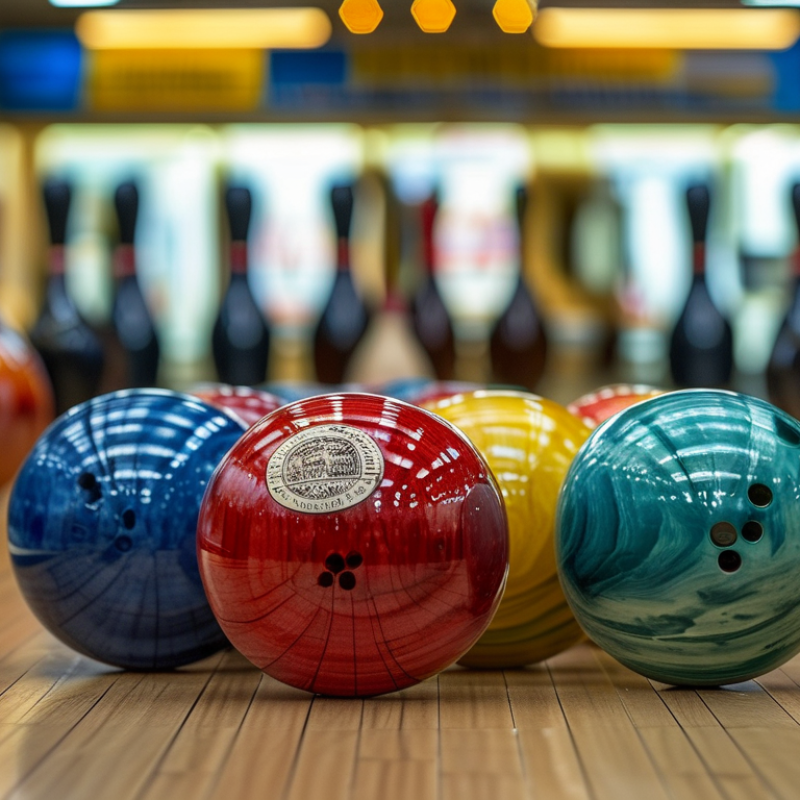
Understanding the Importance of Quality in Bowling Ball Manufacturing
In the world of bowling, quality is more than just a buzzword; it’s a necessity. A high-quality bowling ball can make a significant difference in performance. The materials used, the manufacturing process, and even the design all play crucial roles. When bowling balls are crafted with precision, they can enhance a player's skills and provide a consistent feel. However, not all manufacturing processes prioritize these elements.
Quality control in manufacturing is essential yet often overlooked. In some cases, shortcuts may lead to inconsistencies. The result? Bowling balls that don’t perform as expected. This can frustrate players who rely on equipment that meets their standards.
Professional bowlers might notice subtle differences that affect their game. For them, even minor imperfections can be decisive.
Moreover, the global market demands adherence to high standards. Buyers must be discerning. They should inquire about the materials used and the quality assurance processes behind the products. Transparency is vital. Not all manufacturers share their methods, which can lead to uncertainty. It's important for players and buyers to prioritize trust and expertise in their choices. Quality matters—a great bowling ball can be the difference between a strike and a spare.
Key Materials Used in High-Quality Bowling Ball Production
Bowling ball quality heavily relies on the materials used in their production. High-performance bowling balls are typically made from specific types of plastics, urethanes, and reactive resins. These materials contribute significantly to a ball's durability, reaction on the lane, and overall performance. According to industry reports, well-constructed balls can enhance a bowler's game by up to 30%.
The choice of material is crucial. For instance, urethane balls offer better control, especially for beginners. On the other hand, advanced bowlers often prefer reactive resin balls due to their higher hook potential. Data from bowling associations indicates that over 65% of bowlers choose reactive resins. However, many manufacturers still face challenges in sourcing sustainable materials. This raises questions about the environmental impact of bowling ball production.
Another important factor is the density of the materials used. High-density balls tend to provide more consistent roll and increased pin action. However, achieving the right balance can be complex. Some manufacturers may compromise on material quality to reduce costs, affecting performance. This inconsistency is a concern that needs addressing to maintain high standards in bowling ball manufacturing. Continuous research and innovation are needed to refine material use, ensuring that quality remains paramount in the industry.
The Manufacturing Process: Steps to Create Top-Quality Bowling Balls
The manufacturing process of top-quality bowling balls is intricate and requires precision. It begins with selecting high-quality materials, including polyester, urethane, or reactive resin. These materials play a crucial role in ball performance. The global bowling ball market was valued at approximately $470 million in 2021 and is projected to grow steadily.
After material selection, the next step involves mixing and heating the components. The mixture is then poured into molds. This step must be carefully monitored. Any inconsistency can lead to a poor-quality product. According to a study, about 15% of the balls produced in factories do not meet industry standards, highlighting the need for meticulous quality control.
Once molded, the balls undergo a curing process. This allows the materials to set properly. Following curing, each ball is sanded and polished to achieve a smooth finish. However, variations might occur due to humidity and temperature changes during production. The final inspection includes weight and balance checks, ensuring the ball meets regulations for competitive play. These steps reflect the commitment to providing global buyers with quality products, yet the industry struggles with maintaining uniformity across batches.
Global Market Trends in Bowling Ball Demand and Supply
The global bowling ball market is evolving rapidly. Recent trends indicate a significant rise in demand across various regions. Countries with a strong bowling culture, such as the United States, are seeing increased participation. Communities are building new bowling centers to attract more players. This growth reflects a shift in consumer habits, encouraging manufacturers to innovate.
Emerging markets are also joining the bowling scene. Young adults and families are exploring bowling as a recreational activity. The need for high-quality equipment has never been higher. Manufacturers must focus on materials and technology to meet this demand. Sustainable materials may also play a role in future production processes. Balancing quality with eco-friendliness is an ongoing challenge.
However, the supply chain is complex. Issues such as material shortages and shipping delays can hinder timely delivery. Manufacturers often face difficulties in ensuring product availability. There is a need for better collaboration between suppliers and producers. Understanding these market dynamics is vital for long-term success. The realization of these complexities could foster more innovative solutions.
Selecting the Right Supplier for Premium Bowling Balls
When selecting a supplier for premium bowling balls, consider their expertise and experience in the industry. It’s essential to choose manufacturers with a proven track record. A solid portfolio showcases their ability to deliver high-quality products consistently. Look for suppliers who prioritize material quality and innovative designs. They should be familiar with the specific demands of both casual and professional bowlers.
Examine the supplier's quality control processes. Reliable manufacturers implement rigorous testing. This ensures every ball meets precise specifications. Check if they provide customization options. Tailored designs can enhance performance. Communication is vital here; suppliers should be open to feedback and willing to adapt.
Don’t overlook customer reviews. Pay attention to how previous clients rate their experiences. This can reveal insights into the supplier’s reliability and responsiveness. A trustworthy partner should be transparent about their production methods and timelines. Reflection on your specific needs is crucial. Are you prioritizing durability or performance? Make informed choices to ensure your investment meets expectations.
Top Quality Bowling Ball Manufacturing for Global Buyers
| Supplier Location |
Production Capacity (Units/Month) |
Material Quality |
Delivery Time (Weeks) |
Certifications |
Price Range (USD) |
| USA |
50,000 |
High Grade Polyurethane |
4 |
ISO 9001, ASTM |
45 - 80 |
| China |
70,000 |
Premium Resin |
6 |
CE, SGS |
30 - 60 |
| Germany |
30,000 |
High Density Polyester |
5 |
ISO 14001 |
50 - 90 |
| Japan |
40,000 |
Custom Blended Materials |
3 |
JIS, TUV |
60 - 100 |
Conclusion
The article "Top Quality Bowling Ball Manufacturing for Global Buyers" emphasizes the significance of superior craftsmanship in the production of bowling balls, known as "Boule De Bowling Fabrication". It outlines the essential materials utilized in creating high-quality balls, such as reactive resins and polyester, which influence performance and durability. The manufacturing process involves multiple critical steps, ensuring consistency and excellence in the final product.
Moreover, the article discusses current global market trends, highlighting rising demand among bowling enthusiasts and the importance of understanding supply dynamics. When seeking to purchase premium bowling balls, selecting a reliable supplier is crucial for buyers aiming to invest in top-tier quality. The comprehensive analysis provides valuable insights for anyone involved in the bowling industry or looking to enhance their understanding of quality manufacturing practices.