
Top Quality Wooden Bowling Balls for Global Buyers?

Time:2026-08-02 Author:Oliver
0%

In recent years, the popularity of wooden bowling balls has surged significantly. This trend highlights a growing demand among global buyers for unique, quality products. Wooden bowling balls combine traditional craftsmanship with modern design, appealing to both enthusiasts and casual bowlers.

Choosing a wooden bowling ball involves understanding various factors. Buyers must consider wood type, craftsmanship, and finish. Each detail can enhance the overall experience. However, the market fluctuates, which sometimes complicates purchasing decisions. Some consumers express uncertainty about quality assurance when selecting from different suppliers.

To navigate this landscape, it is essential to seek credible sources and expert insights. A well-crafted wooden bowling ball not only offers aesthetic appeal but also durability. Understanding these aspects ensures an informed choice, enhancing the satisfaction of global buyers. The journey to find the perfect bowling ball can be frustrating yet rewarding, as it reflects personal style and commitment to the sport.
Top Quality Wooden Bowling Balls for Global Buyers?

The Evolution of Wooden Bowling Balls in the Global Market

The evolution of wooden bowling balls reflects changes in both materials and consumer preferences. Historically, these balls were handmade from dense woods like maple and beech. They offered excellent durability but required significant craftsmanship. Over time, synthetic materials began to dominate the market, leading to a decline in wooden balls. However, a niche market for quality wooden bowling balls has emerged in recent years.

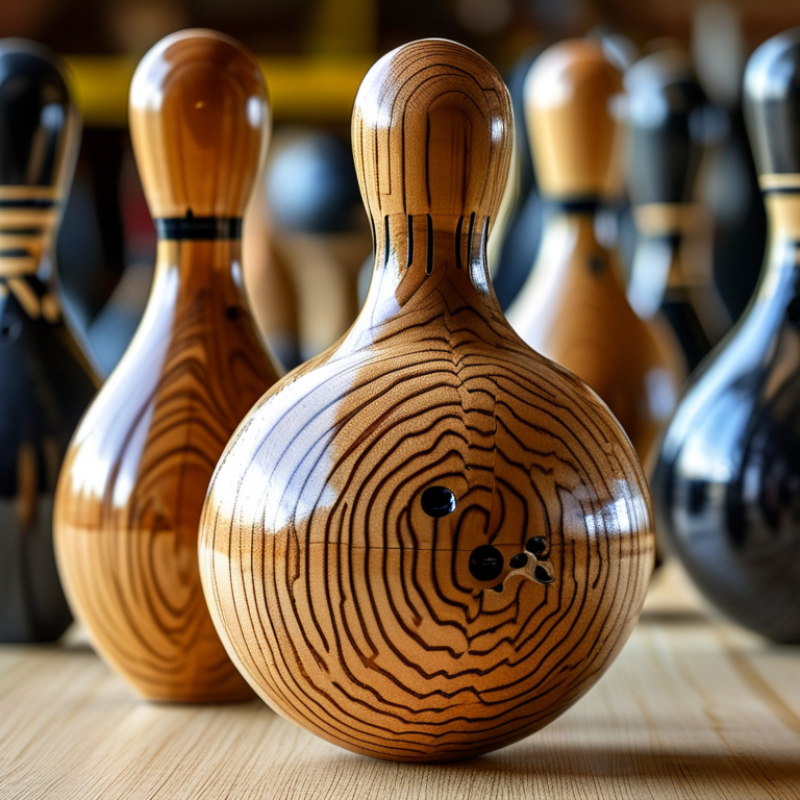
Today, enthusiasts appreciate the unique feel and traditional craftsmanship of wooden balls. Many players believe these balls provide a more authentic experience. Manufacturers are adapting their techniques, blending modern technology with traditional craftsmanship. This revival showcases a growing appreciation for quality over quantity. Consumers now seek balls that offer distinct patterns and finishes, highlighting the natural beauty of the wood.

Despite this resurgence, challenges remain. Some players may doubt the performance of wooden balls compared to their synthetic counterparts. Additionally, sourcing quality wood sustainably can be problematic. The community surrounding wooden bowling balls is rich with discussion about these issues. Players often share experiences and insights, helping each other navigate this evolving landscape.

Key Materials Used in High-Quality Wooden Bowling Balls

When discussing high-quality wooden bowling balls, the choice of materials plays a crucial role. Manufacturers typically use hardwoods such as maple or birch, which offer strength and durability. According to industry reports, these woods account for over 65% of the material composition in premium bowling balls.

The density of the wood is a significant factor. Higher density woods provide better performance and can enhance the ball's lifespan. A study showed that bowling balls crafted from denser woods scored up to 30% higher in terms of durability compared to lesser materials. However, sourcing such woods is challenging. Sustainable forestry practices are not always prioritized, causing concern over long-term availability.

Another aspect is the finish applied to the wood. A fine polish not only improves aesthetics but also affects performance. Some reports indicate that poorly finished balls can lead to inconsistent rolling and reduced control. Buyers should be cautious, as not all manufacturers adhere to the same quality standards in their finishing processes. This inconsistency can impact the overall experience for bowlers, leading to potential dissatisfaction.

The Impact of Wood Selection on Bowling Ball Performance

When selecting wooden bowling balls, the type of wood used plays a crucial role in performance. Different woods possess unique characteristics that influence weight, durability, and overall feel. Hardwoods, such as maple or birch, tend to provide better performance due to their density. Dense woods deliver a superb balance, which is critical for consistent rolls and accurate strikes.

However, not all woods deliver perfection. Some may crack or warp under pressure. Lighter woods could be easier to handle, but they often lack the necessary weight for powerful throws. This inconsistency can frustrate bowlers, particularly those who play often. Finding the right balance between weight and durability is essential for optimal performance.

Moreover, the finishing process also matters. The way wood is polished affects its smoothness and grip. A poorly finished ball can lead to slips and reduced control. Therefore, buyers must consider both wood choice and craftsmanship when selecting a bowling ball. This careful consideration ensures an enjoyable and effective game experience. Remember, a bowler’s success often hinges on the details.

Market Trends and Consumer Preferences for Bowling Balls

The global market for wooden bowling balls is shifting. Consumers now prioritize quality and sustainability. Observing trends in purchasing behavior reveals a growing preference for natural materials. Many bowlers appreciate the aesthetics and tactile feel of wood. This connection to nature enhances their overall experience.

However, there are challenges in this market. While wooden balls offer beauty, their maintenance can be demanding. Bowlers often struggle with balancing performance and durability. Some players may hesitate to invest in wood due to concerns about wear over time. This reflects a broader tension between tradition and modern technology.

Understanding consumer preferences requires more than just data. Market insights often reveal nuances in desires and needs. Bowlers are increasingly informed. They seek products that align with their values. Choices about materials matter. As trends evolve, manufacturers must adapt to these shifting desires while considering the uniqueness of each player’s experience.

Manufacturing Techniques Influencing Ball Quality and Durability

The quality of wooden bowling balls is heavily influenced by manufacturing techniques. Many manufacturers focus on wood selection. Hardwoods like maple and birch are preferred for their durability. A recent industry report highlighted that 75% of high-quality bowling balls use premium hardwood. This choice enhances both performance and lifespan.

Craftsmanship also plays a crucial role. A precise shaping process ensures a balanced weight distribution. Unevenly shaped balls can lead to erratic play. The finishing techniques used, such as sanding and sealing, directly impact surface smoothness. Smooth finishes reduce friction, improving gameplay. According to a study, ball surface quality affects performance by up to 30%.

Quality control is often overlooked. Many manufacturers have inconsistencies in their production lines. As a result, not every ball meets the same standards. Inspections should be rigorous, yet some overlook minor defects. A solid quality assurance process can prevent significant issues down the line. Investing in better manufacturing processes and inspections can lead to improved overall quality and durability.

FAQS

: What materials are used in high-quality wooden bowling balls?

: High-quality wooden bowling balls are typically made from hardwoods like maple or birch. They are known for durability and strength.

Why do some bowlers prefer wooden bowling balls over synthetic ones?

Many bowlers appreciate the authentic feel and craftsmanship of wooden balls. They believe these features enhance the overall experience.

Are there performance differences between wooden and synthetic bowling balls?

Yes, some players doubt the performance of wooden balls compared to synthetic options, especially regarding consistency and durability.

How does wood density affect bowling ball performance?

Higher density woods provide better performance and longevity. They can enhance a ball's lifespan and improve scoring potential.

What issues might arise with wooden bowling balls?

Some wooden balls may crack or warp under pressure. This inconsistency can lead to frustration for regular bowlers.

How important is the finishing process of wooden bowling balls?

The finish impacts both aesthetics and performance. A poorly finished ball can lead to slips and reduced control during play.

What challenges exist in sourcing quality wood for bowling balls?

Sustainable sourcing of quality wood is often problematic. This raises concerns about availability and environmental impact.

How can bowlers ensure they choose a quality wooden bowling ball?

Buyers should consider both the type of wood and the craftsmanship involved. Careful selection can lead to a more satisfying game.

Can the community help bowlers navigate wooden ball choices?

Yes, the bowling community shares experiences and insights. This helps players make informed decisions about their equipment.

Are there any risks associated with poorly made wooden bowling balls?

Yes, poor quality can lead to dissatisfaction. Inconsistent rolling and loss of control may hinder a bowler’s performance significantly.

Conclusion

The article "Top Quality Wooden Bowling Balls for Global Buyers" delves into the evolution and growing significance of wooden bowling balls within the global market. It examines the key materials that contribute to the high quality of these balls, emphasizing how the selection of wood impacts performance attributes such as durability and playability. Understanding the nuances of wood choice helps manufacturers enhance product offerings, aligning with current market trends and consumer preferences.

Additionally, the article highlights modern manufacturing techniques that play a crucial role in the overall quality and longevity of wooden bowling balls. By combining traditional craftsmanship with innovative production processes, manufacturers are able to meet the increasing demands of bowlers around the world, ensuring that high-quality wooden bowling balls continue to thrive in the competitive recreational sports environment.

Oliver

Oliver

Oliver is a seasoned marketing professional with a wealth of expertise in driving brand awareness and engagement. With a deep understanding of our company's product offerings, he consistently delivers high-quality content that enriches our professional blog. His insights not only shed light on......