
Top 10 Wooden Bowling Balls for Global Buyers in 2026?

Time:2026-06-24 Author:Oliver
0%

The global market for "Boule De Bowling En Bois" is poised for significant growth by 2026. As bowling becomes increasingly popular, the demand for high-quality wooden bowling balls rises. Recent industry reports indicate a projected increase of 15% in sales over the next few years. Renowned bowling expert Jean-Pierre Morel emphasized, “The craftsmanship of wooden bowling balls creates a unique playing experience unmatched by synthetic alternatives.”

Bowling enthusiasts are drawn to the aesthetic and tactile qualities of wood. The combination of weight and balance in these balls enhances performance. Market analysts predict that buyers will seek out durable options made from premium woods. However, navigating the variety available can be challenging.

A few manufacturers excel in producing top-tier wooden bowling balls. Their focus on quality materials and craftsmanship sets them apart. Yet, some consumers may find it hard to discern which products truly offer value. As buyers become more informed, the importance of expertise in the selection process is critical. This guide will highlight the top ten options for global buyers in 2026, ensuring informed choices in the evolving world of wooden bowling.
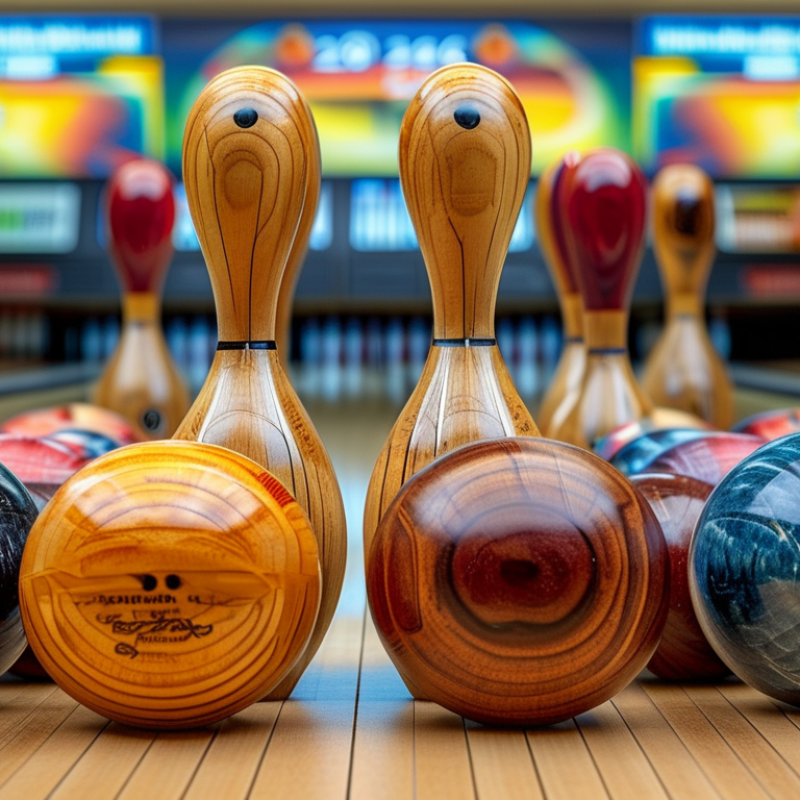
Top 10 Wooden Bowling Balls for Global Buyers in 2026?

Overview of Wooden Bowling Balls: Material and Craftsmanship

When exploring wooden bowling balls, the material and craftsmanship reveal much about their appeal. Crafted from various hardwoods, they offer a unique aesthetic and feel. The natural grain patterns and warm tones add character to each ball. Unlike synthetic alternatives, wooden bowling balls can be more pleasing to touch, creating a tangible connection with the game.

The craftsmanship involved is crucial. Experienced artisans understand how to shape and polish each ball. They consider factors like weight distribution and surface finish. Some wooden balls may still require perfecting their roundness and balance. Even small imperfections can affect performance. It’s a reminder of the artistry behind each piece. Bowlers often appreciate the uniqueness that comes with hand-crafted items, yet this can also lead to unpredictability in play.

Sustainability plays a role too. Choosing responsibly sourced wood is essential for environmental health. Not all suppliers follow sustainable practices. This inconsistency can be troubling for conscious consumers. While wooden bowling balls offer beauty and tradition, potential buyers need to weigh these factors carefully. Taking the time to understand craftsmanship ensures a thoughtful purchase. Enjoying the game and respecting the craft go hand in hand.

Factors to Consider When Choosing a Wooden Bowling Ball

When considering a wooden bowling ball, there are several factors to keep in mind. The weight plays a crucial role in performance. A standard wooden ball usually weighs between 12-16 pounds. Choosing the right weight can affect your control and accuracy on the lanes. Lighter balls offer more speed, while heavier ones provide stability. Assess your strength and skill level to find the best fit.

Wood type can influence both the feel and the performance of the ball. Popular choices include maple and birch, each offering unique characteristics. Maple tends to be denser and provides a hard surface, promoting a consistent roll. Birch, on the other hand, offers a softer touch but is still durable. Testing different woods can give invaluable insight into what suits your playing style.

Tips: Always check the finish on a wooden bowling ball. A smooth finish reduces friction, leading to a better roll. Pay attention to how the ball feels in your hand. Each bowler has a unique grip, and comfort is essential for effective play. Lastly, consider the aesthetics; the beauty of the wood can enhance your overall experience. Choose a design that resonates with you.

Top 10 Wooden Bowling Balls - Performance Comparison

Top 10 Wooden Bowling Balls: Features and Specifications

When it comes to wooden bowling balls, various features influence their performance and appeal to buyers. The weight is crucial; the range typically falls between 12 to 16 pounds. Lighter balls are easier to handle, while heavier options provide greater momentum. Additionally, selecting the right size is essential. Most options have a diameter of 8.5 inches, ensuring a comfortable grip for bowlers of all skill levels.

The type of wood used in manufacturing can significantly affect durability and performance. Hardwoods like maple and birch are popular choices, offering excellent longevity and shock absorption. A report from the Bowling Manufacturers Association indicates that wood quality impacts over 40% of a ball's effectiveness. Visual appeal also matters. Smooth finishes and vibrant stains enhance the ball's attractiveness, hinting at its craftsmanship.

Tips: When shopping, consider testing different weights. This can aid in discovering the most comfortable option for your playing style. Moreover, assess the grip and surface texture for optimal control. Regular maintenance, including polishing, can extend the life of your ball, ensuring it performs well over time. Always check for any visible imperfections, as these can impact performance.

Comparative Analysis: Price vs. Performance of Each Model

Choosing the right wooden bowling ball can be challenging. Each model varies in price and performance. Buyers need to understand these differences to make informed choices. Some balls may look appealing but fail in performance. Others may be priced higher, yet offer exceptional quality and consistency.

When analyzing wood types, consider the hardness and density. Hardwoods tend to provide better durability. Check the weight and size too. This affects your grip and control during games. A well-balanced ball can enhance your performance significantly. Investing time in understanding these factors will pay off.

Tips: Always test the ball if possible. Pay attention to how it feels during practice. A mismatch can lead to poor performances and frustration. Look for reviews from expert bowlers. Their insights can highlight what to expect from each model. Remember, price does not always equal quality.

Future Trends in Wooden Bowling Balls: Innovations for 2026

The realm of wooden bowling balls is poised for transformative innovations by 2026. As the sport evolves, manufacturers are investing in sustainability. Eco-friendly materials will become a focal point. This change addresses environmental concerns while maintaining performance standards. The future will likely see the incorporation of reclaimed wood, ensuring durability and a lower carbon footprint.

Technological advancements will play a crucial role in enhancing the bowling experience. New designs may feature improved weight distribution. This could lead to better control and lane performance. Additionally, personalized engravings may offer bowlers a unique touch. However, balancing aesthetics and functionality will remain a challenge.

Feedback from bowlers will shape these innovations. Understanding player preferences is vital for designers. Not all new ideas will resonate. Some may even detract from the timeless aspects of bowling.

As we look towards 2026, it's essential to remain open-minded. The clash between tradition and innovation can yield unexpected results. Keeping an eye on emerging trends will help enthusiasts stay ahead in the game.

FAQS

: What materials are wooden bowling balls made from?

: Wooden bowling balls are crafted from various hardwoods, offering unique aesthetics and feel.

How does craftsmanship affect wooden bowling balls?

Experienced artisans shape and polish each ball, focusing on weight distribution and surface finish.

What role does sustainability play in choosing wooden bowling balls?

It's essential to choose responsibly sourced wood, as not all suppliers follow sustainable practices.

What weight range do wooden bowling balls typically fall within?

Wooden bowling balls generally weigh between 12 to 16 pounds, affecting handling and momentum.

Why is the type of wood important for bowling balls?

Hardwoods like maple and birch enhance durability and performance, impacting over 40% of effectiveness.

What should buyers consider when choosing the size of a bowling ball?

The diameter of most options is 8.5 inches, ensuring a comfortable grip for all skill levels.

How can the appearance of wooden bowling balls influence buyers?

Smooth finishes and vibrant stains enhance visual appeal, reflecting the craftsmanship behind each ball.

Why is regular maintenance important for wooden bowling balls?

Regular polishing extends the ball's life and ensures consistent performance over time.

What should bowlers look for to ensure their ball performs well?

Checking for imperfections is crucial, as even small flaws can impact performance.

How can a player find their ideal bowling ball?

Testing different weights and assessing grip can help identify the most comfortable option for play.

Conclusion

The article "Top 10 Wooden Bowling Balls for Global Buyers in 2026?" provides a comprehensive overview of the material and craftsmanship behind wooden bowling balls, or "Boule De Bowling En Bois." It emphasizes the importance of selecting the right ball by discussing key factors such as weight, balance, and finish.

Furthermore, the article ranks the top 10 models available, detailing their unique features and specifications while conducting a comparative analysis of price versus performance for each option. Finally, it explores future trends in the market, highlighting anticipated innovations that are expected to enhance the appeal and functionality of wooden bowling balls by 2026.

Oliver

Oliver

Oliver is a seasoned marketing professional with a wealth of expertise in driving brand awareness and engagement. With a deep understanding of our company's product offerings, he consistently delivers high-quality content that enriches our professional blog. His insights not only shed light on......