Analyzing historical significance, engineering parameters, and global manufacturing supply chain dynamics.
1. The Munich Wood Bowling & Kegel tradition
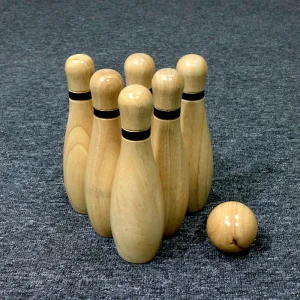
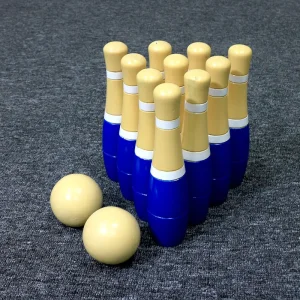
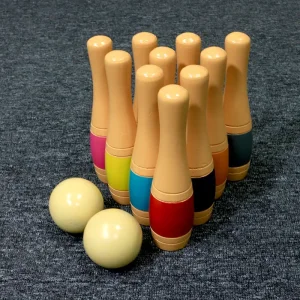
In Bavaria, and specifically Munich, the traditional indoor game of Kegeln (German nine-pin bowling) shares deep roots with modern-day ten-pin bowling. Historically, Kegelbahnen (nine-pin lanes) used solid wooden balls made of premium dense hardwoods. Today, Munich experiences a major resurgence in heritage-focused pub entertainment, luxury hotel amenities, and retro-themed wellness clubs where synthetic plastic balls are replaced by natural, warm-touch, and biodynamic wooden alternatives.
Furthermore, Munich is a leading tech hub and design capital that demands high aesthetic and acoustic values. Real wood bowling setups provide an echoic damping dynamic, ensuring premium private venues and boutique game alleys in Schwabing or Glockenbachviertel maintain sophisticated acoustics. For Munich-based event agencies and hospitality projects, choosing certified wooden products represents a commitment to sustainability and historical authenticity.
2. Engineering Challenges: Density, Center of Gravity, and Roundness
A wooden bowling ball is not simply a turned piece of wood. It requires absolute structural symmetry. Timber is an anisotropic material, meaning its properties vary depending on the direction of the wood grain. To ensure a wooden ball rolls in a linear trajectory without organic drift:
- Species Selection: Only selected timbers like hard maple, beech, or birch are utilized to ensure uniform density.
- Moisture Control: The wood is seasoned down to a stable 8-12% moisture content before turning, preventing future warping or cracking under temperature fluctuations.
- CNC Micro-turning: Advanced machinery turns the sphere within a tolerance threshold of ±0.05mm.
3. China Supply Chain Efficiency & Cost Control
Working with our advanced factory allows Munich businesses to gain high-volume pricing with bespoke engineering flexibility. By sourcing raw timber from certified sustainable forestry and utilizing automated primary cutting, our cost footprint remains remarkably lean. While regional European workshops charge premium handcraft rates for low output, our factory blends automated production lines with seasoned master woodworkers. This enables us to maintain an active monthly capacity of over 15,000 sets, allowing us to supply large retail chains or large-scale project installations within a competitive 30-day window.